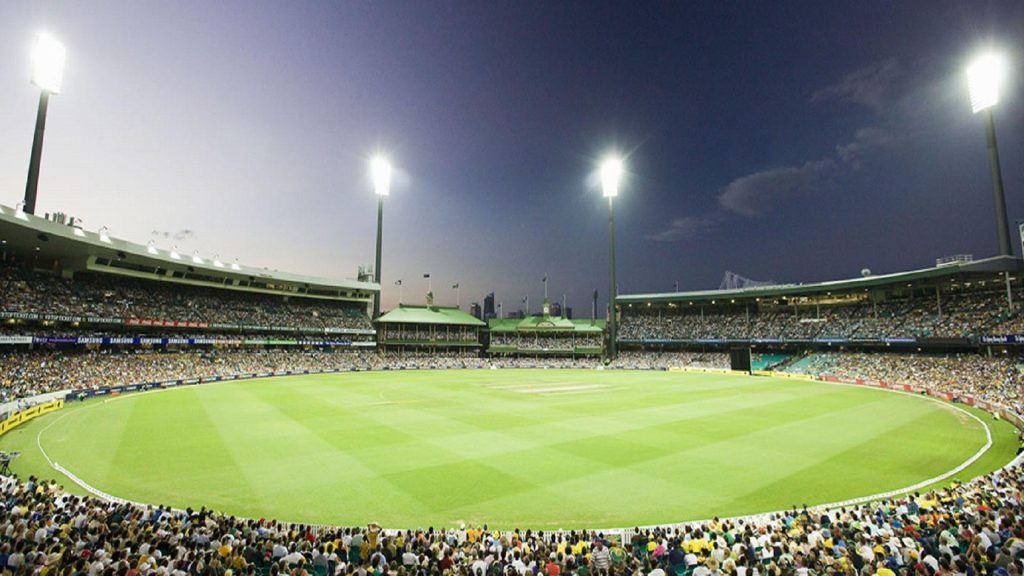
Early Cricket (Pre 1799)
There is a consensus of expert opinion that cricket may have been invented during Saxon or Norman times by children living in the Weald, an area of dense woodlands and clearings in south-east England. The first reference to cricket being played as an adult sport was in 1611, and in the same year, a dictionary defined cricket as a boys’ game. There is also the thought that cricket may have derived from bowls, by the intervention of a batsman trying to stop the ball from reaching its target by hitting it away.
Village cricket had developed by the middle of the 17th century and the first English “county teams” were formed in the second half of the century, as “local experts” from village cricket were employed as the earliest professionals. The first known game in which the teams use county names is in 1709.
In the first half of the 18th Century cricket established itself as a leading sport in London and the south-eastern counties of England. Its spread was limited by the constraints of travel, but it was slowly gaining popularity in other parts of England and Women’s Cricket dates back to the 1745, when the first known match was played in Surrey.
In 1744, the first Laws of Cricket were written and subsequently amended in 1774, when innovations such as lbw, a 3rd stump, – the middle stump and a maximum bat width were added. The codes were drawn up by the “Star and Garter Club” whose members ultimately founded the famous Marylebone Cricket Club at Lord’s in 1787. MCC immediately became the custodian of the Laws and has made revisions ever since then to the current day
Rolling the ball along the ground was superseded sometime after 1760 when bowlers began to pitch the ball and in response to that innovation the straight bat replaced the old “hockey-stick” style of bat. The Hambledon Club in Hampshire was the focal point of the game for about thirty years until the formation of MCC and the opening of Lord’s Cricket Ground in 1787.
Cricket was introduced to North America via the English colonies as early as the 17th century, and in the 18th century it arrived in other parts of the globe. It was introduced to the West Indies by colonists and to India by British East India Company mariners. It arrived in Australia almost as soon as colonisation began in 1788 and the sport reached New Zealand and South Africa in the early years of the 19th century.
CRICKET IN INDIA
Although cricket is rooted in the heart of the country, it did not originate in India.
The origin of cricket traces back to a place known as Weald, a city near London. Initially played by the children of farmers in the region, today, the game has become one of the most popular sports in the world.
So, how did cricket become such a popular sport in India?
The oldest references to the sport in India can be dated as early as the year 1725 when a group of sailors played a match at a seaport in Kutch. Soon, The Calcutta Cricket and Football Club was formed. Another cricket club was formed at Seringapatam by 1799.
Beginning of First Class Cricket
The first-ever match of first-class cricket (a game spanning two to three days) was played in 1864, Madras vs Calcutta (now known as Kolkata). In the year 1877, the Bombay Presidency Match was played for the first time. Later, it first changed into the Bombay Triangular and then the Bombay Quadrangular.
The first foreign team arrives in India
The first-ever foreign team – England – arrived in India in 1889-’90. The captain of this team was George Vernon. In the next three years, two matches had been played between the European team and the Parsi team in Bombay (present day Mumbai) and Poona (now Pune). This is the official beginning of first-class cricket in the country.
After this, four first-class matches were played between an English team led by Lord Hawke and an all India team between January 26 and 28, 1893.
India’s participation in the game
A consensus was reached to create a board for control of cricket in India and on December 10, 1927, a unanimous decision to form a provisional board of control was taken. In December 1928, the Board of Control for Cricket (BCCI) was registered under the Tamil Nadu Societies Registration Act. India had become a member of the ‘elite club’ joining Australia, England, South Africa, New Zealand and the West Indies by June 1932.
India’s first match in Lords against England in 1932 attracted a massive crowd of 24,000 people. The King of the United Kingdom, who was then the Emperor of India, was also present at the game.
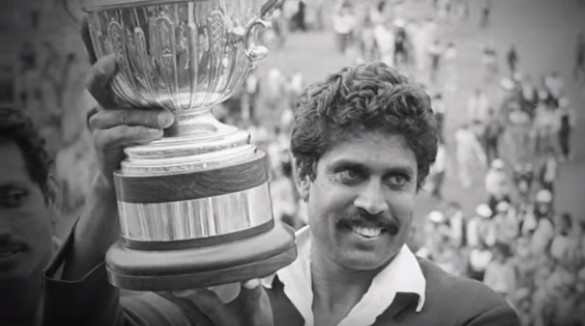
On June 25, 1983, the Indian cricket team defeated West Indies, the two-time reigning champions, to lift the World Cup at the Lord’s Cricket Ground. The day marked the first such win for India at the global stage.
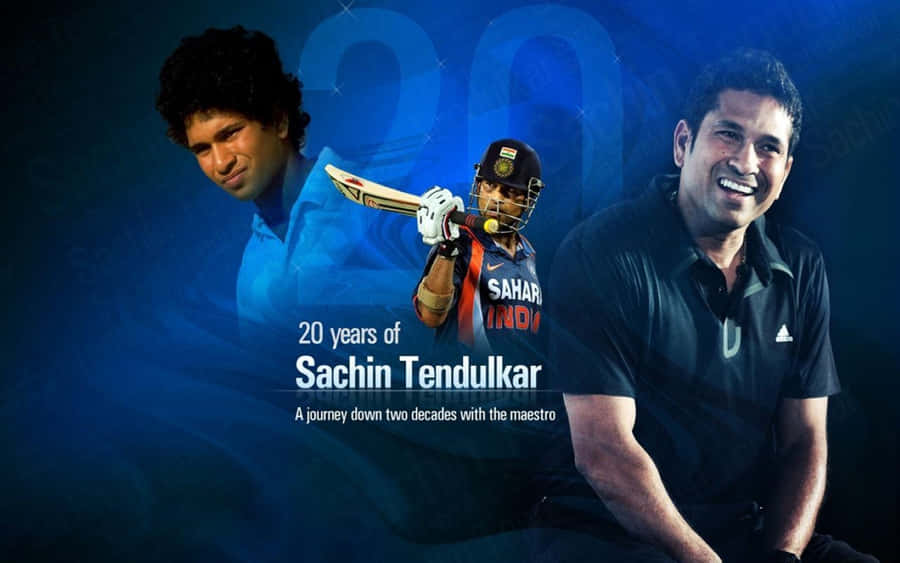
When the word cricket is mentioned, one name echoes in the minds of fans across generations — Sachin Tendulkar. Known by many titles like the Master Blaster and the Little Betacular Master, none is more fitting than the god of cricket. With a career spanning over two decades, Sachin not only redefined batting but also became a symbol of hope, discipline, and excellence in Indian cricket and the sport as a whole. Even years after his retirement, he continues to be revered around the world. Here are ten reasons why Sachin Tendulkar is still the undisputed god of cricket.
Unmatched Career Records
Sachin Tendulkar’s statistics are monumental. He is the only cricketer to have scored 100 international centuries, a record that stands as a towering achievement in the world of sports. With over 34,000 international runs in Tests and ODIs combined, no other batsman has come close to replicating this dominance. These numbers alone are a strong foundation for why many call him the god of cricket.
Longevity and Consistency
Sachin’s international career spanned from 1989 to 2013 — 24 years at the highest level of cricket. In a sport where careers often span 10 to 15 years, his ability to perform at the top level for more than two decades is extraordinary. He faced multiple generations of bowlers and adjusted to changes in formats and rules, yet remained a top performer throughout. This level of consistency is a key reason fans continue to worship him.
भारत में क्लिक करें और तुरंत ₹8,888 प्राप्त करें
Influence on Indian Cricket
Before Sachin, Indian cricket lacked a global batting icon. His emergence gave the team a fearless anchor at the top. He carried the hopes of over a billion fans, often single-handedly saving matches with his bat. Young cricketers like Virat Kohli, Rohit Sharma, and MS Dhoni grew up idolizing him. The modern era of Indian cricket is largely inspired by Sachin’s legacy, another reason why he is called the god of cricket.
Technical Perfection
Sachin’s technique is often considered the most complete and adaptable in cricket history. Whether playing a fast bowler in Perth or a spinner in Chennai, his footwork, balance, and timing were flawless. His textbook strokes — especially the straight drive — became the standard for young cricketers to emulate. His mastery across all conditions and formats adds to his divine status in the game.
Humility and Discipline
Despite his global fame and countless records, Sachin remained grounded. He rarely showed aggression on the field, respected the opposition, and let his bat do the talking. His dedication to training, fitness, and constant improvement serves as a model of discipline. This humility made him not just the god of cricket for his performances but also for his values.
World Cup Glory
One of the most emotional moments in cricket came in 2011 when India lifted god of cricket the ICC Cricket World Cup and dedicated the victory to Sachin Tendulkar. It was his sixth World Cup and the only one he won, but the journey to that win inspired the entire squad. His performances in World Cups — including being the top scorer in the 2003 edition — were vital to India’s progress. This triumph sealed his divine legacy in world cricket.
Global Recognition
Sachin has been praised and acknowledged by legends across the world. From Sir Donald Bradman to Brian Lara, from Shane Warne to Ricky Ponting, every great player has god of cricket acknowledged Sachin’s talent and achievements. Bradman himself said that Sachin’s batting reminded him of his own, which is perhaps the highest compliment a cricketer can receive. This universal respect confirms his place as the god of cricket.
Adaptability Across Eras
From the era of Kapil Dev and Imran Khan to that of Kohli and ABD Villiers, Sachin adapted to different cricketing styles, rules, and expectations. He started during a time with no T20 cricket and yet managed to score a century in the IPL. He evolved from an aggressive opener to a stable middle-order anchor as per the team’s needs. His ability to stay relevant in changing times proves his timeless brilliance.
Off the Field Contributions
Even after retirement, Sachin continues to contribute to the game. He mentors young players, supports cricket academies, and has served as a member of the Rajya Sabha in India. His charitable work and advocacy for sports development have made him a respected public figure beyond cricket. Being a role model in life as much as on the field reinforces why he is still called the god of cricket.
Eternal Love from Fans
Sachin’s farewell speech in 2013 was an emotional moment not just for Indian fans but for cricket lovers across the world. Stadiums chanted his name, fans cried in the stands, and social media exploded with tributes. To this day, whenever cricket fans talk about greatness, Sachin’s name is mentioned with unmatched reverence. No other cricketer commands this level of loyalty and admiration.
Conclusion
Sachin Tendulkar’s greatness goes far beyond runs and centuries. It lies in the joy he brought to millions, the hope he carried on his shoulders, and the purity with which he played the game. He inspired generations to dream big, work hard, and respect the sport.
Even after newer players have risen to fame, Sachin remains unmatched in what he gave to the world of cricket. His name is etched in history not just as a player but as a symbol of cricketing excellence. For all these reasons and more, Sachin Tendulkar is and will always be the undisputed god of cricket.
MS DHONI
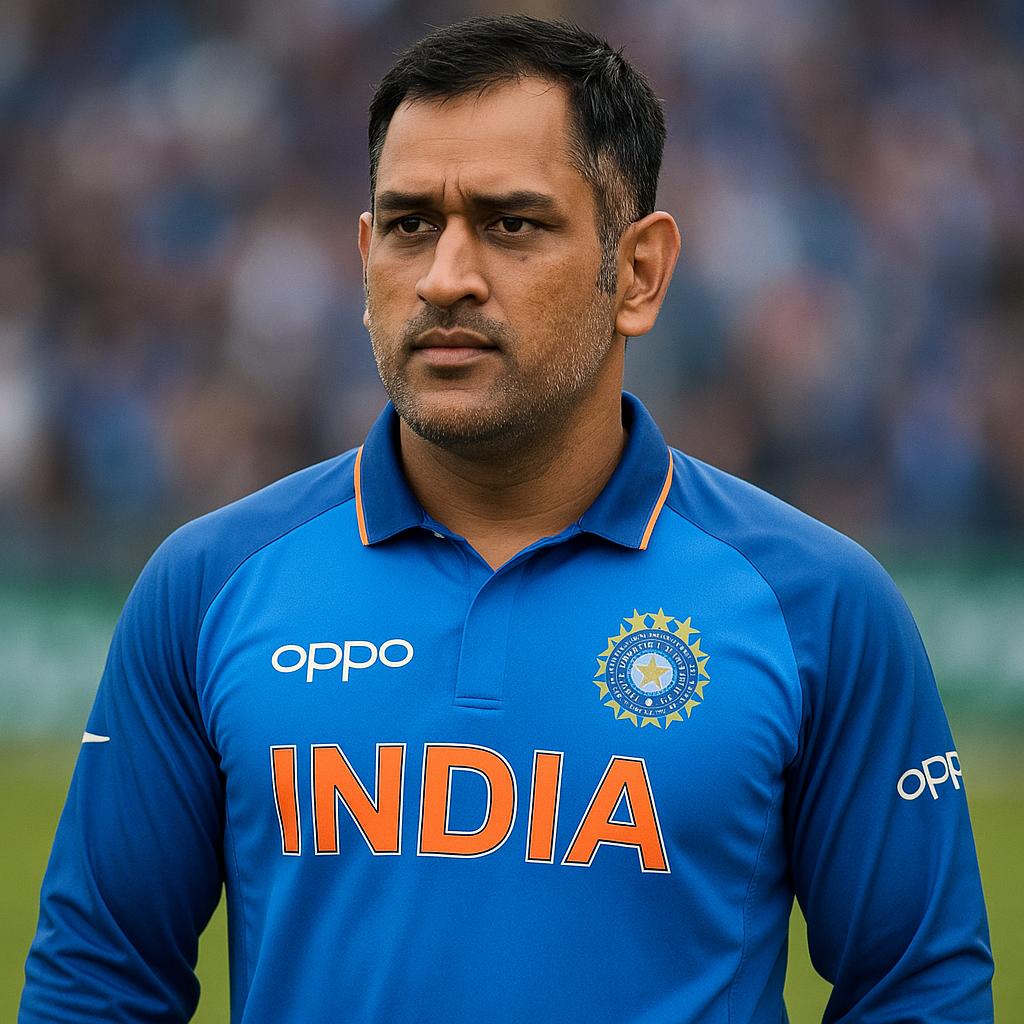
born 7 July 1981) is an Indian professional cricketer who plays as a right-handed batter and a wicket-keeper. Widely regarded as one of the most prolific wicket-keeper batsmen and captains, he represented the Indian cricket team and was the captain of the team in limited overs formats from 2007 to 2017 and in Test cricket from 2008 to 2014. Dhoni has captained the most international matches and is the most successful Indian captain. He has led India to victory in the 2007 ICC World Twenty20, the 2011 Cricket World Cup, and the 2013 ICC Champions Trophy, being the only captain to win three different limited overs ICC tournaments. He also led the teams that won the Asia Cup in 2010 and 2016, and he was a member of the title winning squad in 2018.
Born in Ranchi, Dhoni made his first class debut for Bihar in 1999. He made his debut for the Indian cricket team on 23 December 2004 in an ODI against Bangladesh and played his first test a year later against Sri Lanka. In 2007, he became the captain of the ODI team before taking over in all formats by 2008. Dhoni retired from Test cricket in 2014 but continued playing in limited overs cricket till 2019. He has scored 17,266 runs in international cricket including 10,000 plus runs at an average of more than 50 in ODIs.
In the Indian Premier League (IPL), Dhoni plays for Chennai Super Kings (CSK), leading them to the final on ten occasions and winning it five times (2010, 2011, 2018, 2021 and 2023) jointly sharing this record with Rohit Sharma. He has also led CSK to two Champions League T20 titles in 2010 and 2014. Dhoni is among the few batsmen to have scored more than five thousand runs in the IPL, as well as being the first wicket-keeper to do so.
In 2008, Dhoni was awarded India’s highest sport honour Major Dhyan Chand Khel Ratna Award by Government of India. He received the fourth highest civilian award Padma Shri in 2009 and third highest civilian award Padma Bhushan in 2018. Dhoni holds an honorary rank of Lieutenant colonel in the Parachute Regiment of the Indian Territorial Army which was presented to him by the Indian Army in 2011. In June 2025, he was inducted into ICC Cricket Hall of Fame.
Early life
Dhoni was born on 7 July 1981 in Ranchi, Bihar (now in Jharkhand) in a Hindu Rajput family to Pan Singh and Devaki Devi.[2][3] His parents hailed from Lwali village in the Almora district of Uttar Pradesh (now Uttarakhand). He was the youngest of three children.[4][5][6] His family spells the surname as “Dhauni”.[7] The spelling “Dhoni” emerged due to a spelling mistake in his school certificates and, despite repeated attempts by his family, has never been rectified.[8]
Dhoni did his schooling from DAV Jawahar Vidya Mandir, where he started playing football as a goalkeeper, but later moved to play cricket on the suggestion of his coach Keshav Banerjee.[9][10] From 2001 to 2003, Dhoni worked as a Travelling Ticket Examiner (TTE) at Kharagpur under South Eastern Railway zone of Indian Railways.[11][12]
Youth career
He played as a wicket-keeper for Commando cricket club from 1995 to 1998 and Central Coal Fields Limited (CCL) team in 1998.[13] At CCL, he batted higher up the order and helped the team qualify to the higher division.[14] Based on his performance at club cricket, he was picked for the 1997/98 season of Vinoo Mankad Trophy under-16 championship.[15][16] In the 1998–99, Dhoni played for Bihar U-19 team in the Cooch Behar Trophy and scored 176 runs in 5 matches. In the 1999–2000 Cooch Behar Trophy, the Bihar U-19 cricket team made it to the finals, where Dhoni made 84 in a losing cause.[17] Dhoni’s contribution in the tournament included 488 runs in nine matches with five fifties, 17 catches and seven stumpings.[18] Dhoni made it to the East Zone U-19 squad for the C. K. Nayudu Trophy in the 1999–2000 season and scored only 97 runs in four matches, as East Zone lost all the matches and finished last in the tournament.[19][20]
Dhoni made his Ranji Trophy debut for Bihar against Assam in the 1999–2000 season, as an eighteen-year-old scoring 68 runs in the second innings.[21] Dhoni finished the season with 283 runs in 5 matches. Dhoni scored his maiden first-class century while playing for Bihar against Bengal in the 2000–01 Ranji Trophy season.[22] Apart from this century, his performance in the 2000/01 season did not include another score over fifty and in the 2001–02 Ranji Trophy season, he scored just five fifties in four Ranji matches.[23][24] Dhoni played for Jharkhand in the 2002–03 Ranji Trophy and represented East Zone in the Deodhar Trophy where he started gaining recognition for his lower-order contribution as well as hard-hitting batting style. In the 2003/04 season, Dhoni scored a century (128*) against Assam in the first match of the Ranji ODI tournament and was part of the East Zone squad that won the Deodhar Trophy, scoring 244 runs in four matches.[25][26]
In the Duleep Trophy finals, Dhoni represented East Zone and scored a fighting half-century in the second innings in a losing cause.[27] Dhoni was identified as one of the emerging talents via the BCCI‘s small-town talent-spotting initiative TRDW.[28][29] In 2004, Dhoni was picked for the India A squad for a tour of Zimbabwe and Kenya.[30] Against the Zimbabwe XI in Harare Sports Club, Dhoni contributed seven catches and four stumpings.[31] In the tri-nation tournament involving Kenya, India A and Pakistan A, Dhoni helped India A chase down their target of 223 against Pakistan A with a half-century and scored 362 runs in six innings at an average of 72.40 with back to back centuries.[32][33][34]
International career
Debut and early years
The Indian ODI team in the early 2000s saw Rahul Dravid as the wicket-keeper to ensure that the wicket-keeper spot didn’t lack in batting talent and also tried other wicket-keeper/batsmen like Parthiv Patel and Dinesh Karthik.[35] With Dhoni performing well for the India A squad, he was picked in the ODI squad for the Bangladesh tour in December 2004.[36] Dhoni made his debut in the first match of the series and was run out for a duck.[37] Dhoni was picked for the subsequent ODI series against Pakistan.[38] In the second match of the series in Visakhapatnam, Dhoni playing in his fifth one-day international, scored 148 runs off 123 deliveries which surpassed the earlier record for the highest score by an Indian wicket-keeper.[39] Dhoni played in the Sri Lankan bilateral ODI series in October–November 2005 and was promoted to No. 3 in the batting order in the third ODI at Jaipur where he scored an unbeaten 183 runs off 145 balls, winning the game for India.[40] The innings would surpass his earlier record for the highest score by an Indian wicket-keeper and was described in Wisden Almanack as ‘Uninhibited, yet anything but crude’.[41] It was also the highest individual score in ODI cricket in a run chase, a record which was broken seven years later by Shane Watson.[42][43] Dhoni ended the series with the highest aggregate of 346 runs and was awarded the Man of the series.[44]

Dhoni became a regular in the Indian team after the home series against South Africa in November 2005.[45] In December 2005, Dhoni was awarded a “B” grade contract by the BCCI.[46] Dhoni made his test debut in the same month against Sri Lanka during their tour of India at Chennai.[47][48] Dhoni scored 30 runs in his debut match, that was marred by rain and ended in a draw.[49] Dhoni made his maiden half-century in the second test leading to an Indian win.[50] Dhoni played all the matches in the subsequent tour of Pakistan scoring 219 runs in five ODI matches and 179 runs in five tests including his maiden test century in the second test in Faisalabad.[51] He scored 106 runs across three tests in the home series against England in March 2006 and 177 runs in five ODI series that followed.[51][45] Dhoni dropped multiple catches and missed dismissal chances including a key stumping opportunity of Andrew Flintoff which led to criticism of his wicket-keeping.[52]
In the DLF Cup 2006-07, Dhoni scored 43 runs as the team lost twice in three games and did not qualify for the finals. In the 2006 ICC Champions Trophy, India lost to West Indies and Australia, though Dhoni scored a half-century against West Indies and failed to make it to the knock out stage.[53] In the ODI series in South Africa in November 2006, Dhoni scored 139 runs in four matches in the series loss.[45] In the test series that followed, Dhoni scored 114 runs in two tests including a first test victory in South Africa in the first test, but was ruled out of the third test with injury.[54] Dhoni made his T20 international debut in December 2006 against South Africa at Johannesburg.[55] Dhoni was subsequently named in the ODI team of the year by the ICC for 2006.[56]
2007 World T20 and captaincy
India recorded identical 3–1 victory over West Indies and Sri Lanka in early 2007 with Dhoni averaging more than 100 in both the series. Subsequently, Dhoni was part of the squad for the 2007 Cricket World Cup in which India unexpectedly crashed out in the group stage after losses to Bangladesh and Sri Lanka with Dhoni scoring ducks in both these matches and just 29 runs in the tournament.[45][57] As a result, Dhoni’s house in Ranchi was vandalised and damaged by activists of JMM and security was tightened for his family.[58] Dhoni scored 91* against Bangladesh in the first match of the ODI series in May 2007 which got him the Man of the Match award while also later winning the Man of the Series award after the third game of the series was washed away.[59] Dhoni played for ACC Asia XI cricket team in the Afro-Asia Cup, scoring 174 runs in three matches at an average of 87 including 139 off 97 balls in the third ODI.[60]
Dhoni was named vice-captain of the ODI team for the 2007 Future Cup against South Africa in Ireland and the subsequent seven-match series against England.[61] Dhoni was awarded an ‘A’ grade contract by BCCI in June 2007.[62] Dhoni was appointed as the captain of the Indian squad for the inaugural World Twenty20 in September 2007.[63] Dhoni led India to victory in the tournament after defeating Pakistan in the final.[64][65] Dhoni was later appointed as the captain of the Indian cricket team in all formats.[66]
On 2 September 2007, Dhoni equalled Adam Gilchrist‘s international record for the most dismissals in an innings in ODI by effecting six dismissals against England.[67] Dhoni took his first and only wicket in international cricket on 30 September 2009 when he bowled Travis Dowlin of West Indies in the 2009 ICC Champions Trophy.[68] However, he scored just three runs in the only match he batted with India crashing out of the series in the group stage after the match against Australia was washed out.[69] Dhoni averaged more than 60 in the 2008-09 season.[70] Dhoni scored two centuries during Sri Lanka’s tour of India in November 2009 which India won to achieve the top ranking in ICC test ranking for the first time in its history.[71] Dhoni had an excellent year in ODIs in 2009, scoring 1198 runs in just 24 innings, at an average of 70.43 and topped the ICC ODI batsman rankings for several months.[72] He was named as the captain and wicket-keeper of the ICC ODI Team of the year.[73]
2011 World Cup win and later

Dhoni led the Indian squad for the 2011 Cricket World Cup co-hosted by India.[74] India won its second ever ODI world cup after defeating Sri Lanka in the final with Dhoni being named man of the match for scoring an unbeaten 91.[75] In December 2012, Pakistan toured India for a bilateral series for the first time in five years and Dhoni top-scored in all the three matches of the series with a century in the first ODI at Chennai.[76] Dhoni led India to victory in the 2013 ICC Champions Trophy and became the first and the only captain in international cricket to claim all ICC limited overs trophies. In the rain-shortened final against England, India won by five runs on DLS method though Dhoni himself was out for a duck.[77] He was also named as captain and wicketkeeper of the ‘Team of the Tournament’ by the ICC.[78]

After the Champions Trophy, India toured West Indies for a tri-nation tournament against the hosts and Sri Lanka.[79] Dhoni got injured at the start of the tournament thus ruling him out for most of the tournament. He returned to play the final where he was adjudged Man of the match for scoring 45 runs off 52 balls including 16 runs in the final over to take India to victory by one wicket.[80] In November 2013, Dhoni became the second India batsman after Sachin Tendulkar to aggregate more than thousand runs in ODIs against Australia.[81] India toured South Africa and New Zealand in the 2013–14 season. Though Dhoni scored 84 runs at an average of 48 including one half-century against South Africa and 272 runs with three consecutive 50-plus scores against New Zealand, India lost both the series.[45] Dhoni himself reached 8000 runs in ODI in the series against New Zealand.[82] Dhoni led India in the 2014 ICC World Twenty20 where India finished as runners-up after losing to Sri Lanka in the final.[83] He was named as captain and wicket-keeper of the ‘Team of the Tournament’ by the ICC.[84]
India won the away ODI series in England in 2014 and series against West Indies in India where Dhoni scored 146 runs across the five innings he batted.[85][45]
Test retirement and 2015 World cup
Dhoni played his last series during India’s tour of Australia in December 2014. Following the third Test in Melbourne, Dhoni announced his retirement from the format.[86] In his last test, he effected nine dismissals (eight catches and a stumping), and in the process, went past Kumar Sangakkara‘s record for most stumpings in international cricket and also set a record for effecting the most dismissals in a match by an Indian wicketkeeper until it was broken by Wriddhiman Saha in 2018.[87][88] In the Carlton Mid triangular series in Australia, India failed to win a single match with Dhoni himself managing just 70 runs from three innings at an average of 23.34.[89]
During the 2015 Cricket World Cup, Dhoni became the first Indian captain to win all group stage matches in a world cup.[90] In the match against Zimbabwe at Auckland, he made 85 which was the highest score by an Indian captain in New Zealand. After beating Bangladesh in the quarter finals, he became the third overall and the first non-Australian captain to win 100 ODI matches.[91] India lost to eventual champions Australia in the semi-finals with Dhoni having a good series, scoring 237 runs in six innings at an average of 59.25 and a strike rate of 102.15, and thus, becoming the second Indian captain to have an average over 50 and strike rate over 100 in a particular season of the World Cup.[92][93]
Final years and retirement
Dhoni led India to victory in the 2016 Asia Cup, where India remained unbeaten.[94] Dhoni stepped down as the captain of India in January 2017, ahead of the ODI series at home against England.[95] In the second game of the series, he scored 134 off 122 balls, his tenth century in ODIs and his first in over three years.[96] He was named as a wicket-keeper of the ‘Team of the Tournament’ at the 2017 ICC Champions Trophy in which India finished as runners-up.[97][98] In August 2017, during the fifth and final ODI against Sri Lanka in Colombo, he became the first wicket-keeper to effect 100 stumpings in ODIs when he stumped Akila Dananjaya off Yuzvendra Chahal.[99] He reached the milestone of effecting 400 dismissals in ODIs in February 2018, following the stumping of Aiden Markram in the third ODI of the South Africa tour.[100]
Though, he had a relatively mediocre series scoring 79 runs in two innings at a strike rate of 63.20 during India’s 2018 tour of England, he went past 10,000 ODI runs, becoming the fourth Indian and twelfth overall to do so.[101][102][103] In the 2018 Asia Cup title winning campaign, he scored just 77 runs in four innings at an average of 19.25.[104][105] While captaining in the group stage match against Afghanistan due to regular captain Rohit Sharma being unavailable, Dhoni became the first cricketer to lead India 200 times in ODIs.[106] Dhoni aggregated 50 runs from three innings in the home series against West Indies.[107][108] In the series, he effected the fastest stumping in the history of cricket, clocked at 0.08 seconds, when dismissing Keemo Paul.[109][110]
Dhoni was not selected for the T20I squad for the series that followed and the Australia tour later that season.[111] However, he was included in the squad for the ODI series in Australia.[112] In the three-match series, Dhoni scored half-centuries in all three games with the latter two resulting in wins, helping India secure a 2–1 series victory, their first in a bilateral series on Australian soil and was named player of the series while also becoming the fourth Indian to score more than 1,000 ODI runs in Australia.[113] In April 2019, he was named in India’s squad for the 2019 Cricket World Cup.[114][115] On 9 July 2019, Dhoni played in his 350th and final ODI in the semi-final loss against New Zealand.[116] On 15 August 2020, Dhoni formally announced his retirement from international cricket.[117]
Post-international retirement
On 8 September 2021, Dhoni was appointed as the mentor of the Indian team for the 2021 T20 World Cup.[118][119][120]
Domestic career
Dhoni played for Bihar state cricket team since 1999 before representing Jharkhand later. He has also played for Rajasthan Cricket Association President’s XI, East zone and Rest of India in domestic cricket.[121] In BCCI Corporate trophy, he played for Air India until his resignation from the company in 2013.[122] In February 2005, Dhoni played for India seniors in Challenger trophy, where he scored 102 against India B.[123] Jharkhand State Cricket Association (JSCA) appointed him captain of the Jharkhand team in February 2017 for the 2017-18 Vijay Hazare trophy and on 25 February 2017, he scored his first ever domestic list-A century against Chhattisgarh and led the team to the quarter final where Jharkhand lost against Delhi.[124][125]
Franchise career
| Chennai Super Kings | ||
|---|---|---|
| T20 Cricket | ||
| Indian Premier League | ||
| Winner | 2010, 2011, 2018, 2021, 2023 | |
| Runner-up | 2008, 2012, 2013, 2015, 2019 | |
| Champions League | ||
| Winner | 2010, 2014 | |

Dhoni was acquired by Chennai Super Kings (CSK) for US$1.5 million during the auction for the inaugural season of the Indian Premier League (IPL). He was the most expensive signing in the auction.[126] Dhoni scored 414 runs to lead CSK to the finals in the first season of IPL.[127] Under his captaincy, CSK won the 2010 edition and qualified for Champions League Twenty20.[128] Chennai won the 2010 Champions league.[129] Dhoni scored 392 runs and led CSK to its second consecutive IPL title in 2011.[130] Dhoni led CSK to its second Champions League Twenty20 title in 2014.[131] Dhoni scored 2987 runs from 129 matches in the IPL across the first eight seasons for the Super Kings.[127]
Following the two-year suspension of Chennai Super Kings and Rajasthan Royals, two new franchises Rising Pune Supergiants and Gujarat Lions were established for the 2016 Indian Premier League season. Supergiants picked Dhoni as one of their five draft picks on 15 December 2015 for ₹125 million (US$1.5 million).[132] He scored 574 runs in 30 matches across two seasons for the Supergiants.[127]
Dhoni returned to CSK for the 2018 season.[133] He scored 455 runs and led his team to its third IPL title.[134] Dhoni led CSK to the title again in 2021 and was retained for ₹12 crore (US$1.4 million) before the auction for the 2022 season.[135] Dhoni stepped down from captaincy ahead of that season and Ravindra Jadeja was appointed the new captain.[136][137] However, a month later, Jadeja handed over the captaincy back to Dhoni in the middle of the season.[138] Dhoni led the franchise to victory again the following season.[130] Under his captaincy, CSK became the most successful IPL franchise with five title wins and ten final appearances.[139] Dhoni became the first player to play 200 T20 matches for CSK and holds the record for most appearances in the IPL.[140] Ahead of the 2024 season, Dhoni handed over captaincy to Ruturaj Gaikwad.[141] He marked his 250th appearance for CSK in that season, in a league stage match against Mumbai Indians on 14 April 2024, helping his team secure a 20-run win, following his unbeaten four-ball 20.[142]
Outside cricket

Dhoni holds an honorary rank of Lieutenant colonel in the Parachute Regiment of the Indian Territorial Army (106 Para TA battalion).[143] The honorary rank was presented to him by the Indian Army in 2011 for his service to the nation as a cricketer.[144] After completing five parachute training jumps from Indian Army aircraft in the Agra training camp, he became a qualified paratrooper in 2015.[145] In August 2019, he completed a two-week stint with the Territorial Army in Jammu and Kashmir.[146] While spending a day with the parachute regiment in Ranchi, Dhoni said that he wanted to become a soldier and not a cricketer, “Since childhood I wanted to join the Army. Seeing the soldiers, I thought that one day I’ll be the same”.[147]
Dhoni holds the post of vice-president in India Cements Ltd, the company owned by former BCCI president N. Srinivasan.[148][149] Dhoni is a co-owner of Chennai-based football club Chennaiyin FC, a franchise of the Indian Super League.[150] He also co-owns Ranchi-based hockey club Ranchi Rays, a franchise of the Hockey India League.[151] In February 2016, Dhoni launched lifestyle brand SEVEN which he co-owns while also serving as its brand ambassador.[152] In 2019, Dhoni invested in vehicle re-seller CARS24 and simultaneously became brand ambassador of the company.[153] On 11 October 2022, Dhoni invested in Shaka Harry, a plant-based protein company.[154][155]

In 2019, Dhoni Entertainment entered into a long-term business agreement with Banijay Asia to produce content across various genres.[156] The first show developed by the company was a documentary web series titled Roar of The Lion for Disney+ Hotstar in 2019 which dealt with the ban of Chennai Super Kings from the Indian Premier League in 2016 and their return to win the title in 2018.[157] The production house produced a Tamil language romantic drama LGM which was released on 28 July 2023.[158][159][160] Dhoni performed a special cameo appearance in Vijay‘s film G.O.A.T that was released on 5 September 2024.[161]
Dhoni is one of the most popular cricketers in the world.[162] As of 2022, Dhoni has more than 75 million followers on social media platforms and his brand value was projected to be $80.3 million by Duff and Phelps.[163] Dhoni’s popularity is often compared to Sachin Tendulkar, the highest run scorer in international cricket.[164][165] The No.7 jersey was made popular by Dhoni and was retired by the BCCI in 2023 as an honour to him.[166] Dhoni has developed a special connection with the city of Chennai whose IPL franchise he represents and the fans often call him ‘Thala’ meaning leader in Tamil.[167][168]
Playing style

Dhoni is a right-handed batsman and wicket-keeper.[121] Dhoni is an unorthodox batsman who deviates from conventional coaching manuals to showcase his batting technique.[169] Dhoni displays a proclivity for hitting full-length deliveries towards the Long-on, Long-off, and Midwicket regions, rather than the conventional Cover region.[169] He plays pull shots and hook shots off short-pitched deliveries often putting pressure on the bowler to adjust their line and length accordingly. Dhoni holds the bat with a firm grip at the bottom of the handle, striking the ball with force and precision to clear the boundary.[170] He is a powerful hitter of the ball and is one of the fastest men in running between the wickets.[171] He plays the helicopter shot technique, taught to him by a fellow player and childhood friend Santosh Lal.[172][173] As a batsman, he is recognised for his finishing skills in high-pressure situations.[174]
As a wicket-keeper, he has been praised for his fast reflexes behind the stumps while also being criticised for the lack of good technique.[175][176] He is known for his unorthodox captaincy, approachability and has earned a reputation of being a successful leader.[177][178] Dhoni is also known for his cool-headed demeanor on the field which has earned him the monicker “Captain cool”.[179]
Personal life
Dhoni married Sakshi Singh Rawat on 4 July 2010 in Dehradun.[180][181] Dhoni and his wife have a daughter, Ziva Dhoni who was born on 6 February 2015.[182][183] He lives in his farmhouse outside Ranchi.[184] Dhoni is an automotive enthusiast and owns a number of bikes and cars in his collection.[185]
Career statistics
Dhoni has scored 4876 runs in Test matches at an average of 38 and 10773 runs at an average of above 50 in ODIs. He has scored 16 centuries and 108 fifties in his international career.[121] Dhoni has one of the highest averages in ODI cricket.[186] He has scored more than 7400 runs across 390 T20 matches.[121] He has taken 634 catches and effected 195 stumpings in his international career, making him one of the most prolific wicket-keepers of all time.[187]
| Venue | Mat | Runs | Best | Bat Avg. | SR | 100s | 50s | 4s | 6s | Catches | Stumpings |
|---|---|---|---|---|---|---|---|---|---|---|---|
| Home | 127 | 4,351 | 183* | 53.71 | 91.60 | 7 | 25 | 350 | 116 | 99 | 48 |
| Away | 145 | 4,520 | 101* | 50.78 | 83.98 | 1 | 37 | 324 | 73 | 126 | 46 |
| Neutral | 78 | 1,902 | 139* | 44.23 | 87.60 | 2 | 11 | 152 | 40 | 96 | 29 |
| Total | 350 | 10,773 | 183* | 50.57 | 87.56 | 10 | 73 | 826 | 229 | 321 | 123 |
Captaincy
In 2007, Dhoni was appointed captain of the Indian team and served as the captain of all formats from 2008. He captained the Indian team in 332 matches including 200 ODIs and was one of the most prolific and successful captains of all time.[190][191]
| Type | Matches | Won | Lost | Drawn | Tied | No result | Win% |
|---|---|---|---|---|---|---|---|
| Test | 60 | 27 | 18 | 15 | – | – | 45% |
| ODI | 200 | 110 | 74 | – | 5 | 11 | 55% |
| T20I | 72 | 42 | 28 | – | – | 2 | 58.33% |
| Total | 332 | 179 | 120 | 15 | 5 | 13 | 53.91% |
Records and achievements
Tests
- Most runs by an Indian wicket-keeper (4876)[193]
- Most number of sixes by an Indian captain (51)[194]
- Most dismissals by an Indian and fifth most by any wicket-keeper (294)[195]
ODIs
- Most wins by an Indian captain and second most overall (110)[196]
- Second most runs as captain (6641)[197]
- Third most number of matches as captain (200)[190]
- First player to pass 10,000 runs with an average of over 50[198]
- Most not-outs (84)[199]
- Highest score by a wicket-keeper (183*)[200]
- Highest eighth wicket partnership for India (100* with Bhuvneshwar Kumar)[201]
- Most dismissals in an innings (6) and career (432) by an Indian wicket-keeper[202]
- Most stumpings by any wicket-keeper (123)[203][204]
T20Is
- Second most matches as captain (72)[191]
- Most T20I innings (76) and runs (1,153) before scoring a fifty[205][206]
- Most stumpings as wicket-keeper (34)[207]
- Most catches as wicket keeper in a T20I innings (5)[208]
Combined
- Most international matches as captain (332)[209]
- Most stumpings (195) and only wicket-keeper to make 150 stumpings[210][211]
- Third most dismissals as a wicket-keeper (829)[187]
- Sixth most sixes in career (359)[212]
Honours
India
- T20 World Cup: 2007[213]
- Asia Cup: 2010,[214] 2016[215] 2018[216]
- Cricket World Cup: 2011[217][75]
- ICC Champions Trophy: 2013[218][219]
Chennai Super Kings
- Indian Premier League: 2010,[220] 2011,[221] 2018,[222] 2021,[223] 2023[224]
- Champions League: 2010,[225] 2014[226]
Individual

- MTV Youth Icon of the Year: 2006[228][229]
- ICC Men’s ODI Team of the Year: 2006, 2008, 2009, 2010, 2011, 2012, 2013, 2014 (captain in 2009, 2011–2014)[230][231]
- ICC Men’s Test Team of the Year: 2009, 2010, 2013 (captain in 2009, 2010)
- Major Dhyanchand Khel Ratna award: 2008[232]
- ICC ODI Cricketer of the Year: 2008, 2009[233][234]
- Padma Shri: 2009[235]
- Honorary Lieutenant Colonel, Parachute Regiment of the Indian Territorial Army: 2011[144]
- CNN-News18 Indian of the Year: 2011[236]
- Castrol Indian Cricketer of the Year: 2011[237][238]
- ICC People’s Choice Award: 2013[239]
- Padma Bhushan: 2018[240]
- ICC Men’s ODI team of the decade: 2011–2020 (captain and wicket-keeper)[241]
- ICC Men’s T20I team of the decade: 2011–2020 (captain and wicket-keeper)[241]
- ICC Spirit of cricket award of the decade: 2011–2020[242][243]
- ICC Cricket Hall of Fame:[244] 2025
Others
Dhoni was awarded an honorary doctorate by De Montfort University in 2011.[245][246] In 2019, Jharkhand Cricket Association named the JSCA stadium‘s south stand after Dhoni.[247] In 2023, the Mumbai Cricket Association (MCA) decided to honour him by dedicating seats (J282–J286) at the Wankhede Stadium where he hit the winning shot in 2011 World Cup final.[248]
In popular culture
- A film based on Dhoni’s life from his childhood to the 2011 world cup win, titled M.S. Dhoni: The Untold Story, with Sushant Singh Rajput in the lead role was released on 29 September 2016.[249]
- The Dhoni Touch: unravelling the enigma that is Mahendra Singh Dhoni, a book by Bharat Sundaresan.[250]
- Dhoni (2012), a Tamil feature film, directed and produced by Prakash Raj where the plot illustrates the conflicting interests of a father and his son with the father wanting his son to study MBA but his son wanting to become a cricketer like Dhon